
Tungsten Foil and Strip (Tungsten Tape)
Tungsten foil and strip (also called tungsten tape or tungsten ribbon) is thin, cold-rolled sheet made from high-purity tungsten (W), CAS 7440-33-7, manufactured to ASTM B760 standard. Available in purities from 99.9% up to 99.999% (5N), our tungsten foil combines the highest melting point of any metal (3,410°C), the highest density of any engineering metal (19.3 g/cm³), exceptional high-temperature strength, excellent thermal conductivity (~173 W/m·K), and low thermal expansion (~4.5 × 10⁻⁶/°C). Supplied in thicknesses from 0.005 mm (5 μm) foil up to 1.0 mm strip, in widths from narrow ribbon (1–10 mm) up to 300 mm, either as cut sheets or tightly wound rolls (tungsten tape), we offer both as-rolled (unannealed) and annealed (stress-relieved) tempers, with surface finishes ranging from as-rolled matte to mirror-polished. Per ASTM B760, material under 0.13 mm is classified as foil, 0.13–4.75 mm as sheet, and above 4.75 mm as plate — our standard product range covers foil and strip (thin sheet). Key applications include semiconductor sputtering target backing plates and lithography components, X-ray transmission windows and collimators, vacuum furnace heating elements and heat shields, incandescent/halogen lamp filaments and cathodes, medical radiation shielding and collimation, rocket nozzle throat liners, MBE crucibles, and TEM grids and scientific instrumentation. With tight thickness tolerances (±0.002 mm for 0.01–0.03 mm gauge), light-tight foils available, and full CoA (spectral purity, density, dimensions, surface inspection), we supply bulk rolls and cut-to-size sheets to semiconductor fabs, lighting manufacturers, medical device companies, vacuum furnace builders, national laboratories, and research institutions worldwide.
Material | Tungsten Foil and Strip |
CAS Number | 7440-33-7 |
Standard | ASTM B760, ASTM B521 |
Purity | 99.5% – 99.95% |
| Density | 19.3 g/cm3 |
Melting Point | 3.422 ℃ |
Dimensions | Customized |
Surface Treatment | Pickling or Polishing |
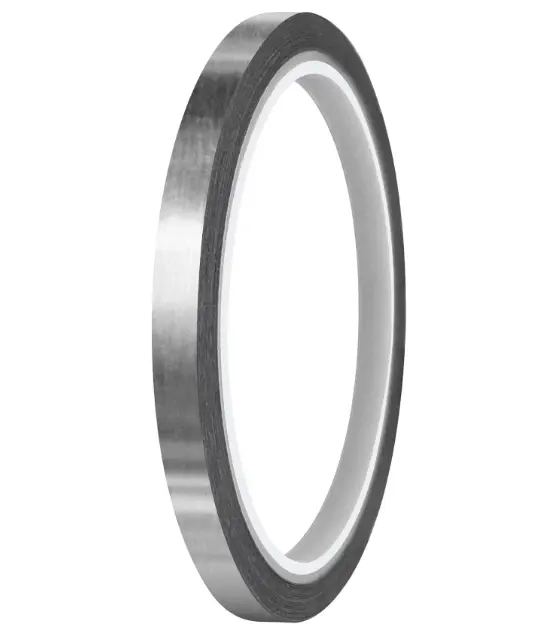
Description of Tungsten Foil and Strip
Tungsten foil and strip are thin, flexible forms of tungsten, known for their exceptional heat resistance, high density, and durability. These materials are available in both pure tungsten and tungsten alloys, making them suitable for demanding applications across aerospace, medical, nuclear, and electronics industries. Tungsten foil is typically produced through rolling and annealing processes to achieve precise thickness and a smooth, defect-free surface. Common applications include thermal shielding, radiation protection, electrical contacts, and precision components where reliability under extreme conditions is essential.
Application
Semiconductor & Microelectronics
Sputtering target backing plates and diffusion barriers; EUV/DUV lithography reticle stages, wafer chucks; thermal spreaders for IGBT, laser diodes and RF amplifiers; ion implantation beamline components; dummy wafers, edge rings and showerhead parts for CVD/etch systems.
X-Ray, Medical & Radiation Shielding
5–50 μm tungsten foil X-ray transmission windows; CT, LINAC and gamma camera collimator blades; lead-free radiation shielding for protective aprons; radiotherapy beam filters; PET/CT and SPECT collimation hardware.
Lighting, Vacuum Electronics & Cathodes
Halogen lamp filaments and supports; flash/xenon lamp electrodes; thermionic cathodes, grids and heater supports for magnetrons, klystrons and TWTs; FED and electron gun components; lamp foil seals and feedthroughs.
Vacuum Furnaces & High-Temperature Processing
Heating elements for vacuum/inert furnaces up to 3000°C; multi-layer thermal radiation heat shields; furnace trays, boats and sintering setters for ceramics and cemented carbides.
Aerospace, Defense & Space
Rocket nozzle throat liners and thrust chamber high-temperature skins; re-entry vehicle leading edges; satellite cosmic radiation shielding; inertial guidance counterweights and gyro components; spacecraft Whipple shield bumper layers.
Scientific Research & Instrumentation
MBE liners, shutters and crucible liners; TEM sample support windows and holder parts; fusion reactor plasma-facing divertor armor, neutron filters; foil-lined crucibles for reactive metal melting; high-temperature tube furnace heating elements.
Electrical & Power
W-Cu / W-Ag composite contacts for high-voltage switches and circuit breakers; resistance spot welding electrodes; flat resistance heating ribbons; aerospace high-current slide wires and brushes.
Glass & Chemical Industry
Corrosion-resistant liners for glass production; foil-lined boats and crucibles for molten salt and molten glass; high-temperature gaskets and shims for chemical processing equipment.
How to select Tungsten Foil and Strip
When selecting tungsten foil and strip, consider the following key factors:
Thickness:
- The thickness of the foil or strip is selected based on the application. Thinner foils are ideal for precision applications, while thicker strips are used for structural or high-stress components.
Purity:
- High-purity tungsten (99.9% or above) is preferred for applications in electronics, medical devices, and aerospace to ensure material integrity and performance.
Alloy Composition:
- Alloyed tungsten foils (such as tungsten-copper or tungsten-nickel) are chosen for enhanced machinability, strength, or thermal conductivity depending on the specific application.
Surface Finish:
- A smooth, polished surface is important, especially in medical and electronic applications where contamination can impact performance.
Mechanical Properties:
- Parameters like tensile strength, elongation, and hardness may be important depending on whether the foil is intended for structural use, manufacturing, or precision equipment.
How to select Tungsten Foil and Strip
Q: What is tungsten foil? What is the difference between foil, strip, sheet, and tape?
A: Tungsten foil is thin, cold-rolled tungsten metal. Per ASTM B760:
- Foil: thickness <0.13 mm (0.005 in) — typically 5 μm to 0.13 mm
- Sheet: thickness 0.13–4.75 mm (0.005–0.187 in)
- Plate: thickness ≥4.75 mm Strip and ribbon are narrow-width flat products (typically <300 mm wide), regardless of thickness. Tungsten tape is tungsten foil or strip wound into a roll — i.e., coil form. Our product range covers foil and thin strip (0.005–1.0 mm), in cut sheets or rolls.
Q: What purity of tungsten foil do you offer? A: We offer 99.0%, 99.9%, 99.95% (3N5), 99.99% (4N), and 99.999% (5N) pure tungsten. The most common grades are:
- 99.95% (3N5): General industrial, furnace, radiation shielding
- 99.99% (4N): Semiconductor, X-ray windows, vacuum electronics
- 99.999% (5N): MBE, fusion research, ultra-high-purity applications We provide full GDMS/ICP-MS trace impurity data on the CoA.
Q: What thicknesses are available?
A: Our standard foil range is 0.005 mm (5 μm) to 0.10 mm, and strip range is 0.10 mm to 1.0 mm (up to 6 mm on request). Standard stocked gauges include: 0.005, 0.010, 0.025, 0.050, 0.075, and 0.100 mm. Thinner foils (2–5 μm) and wider strips are available on request. We can also produce custom intermediate gauges to meet your exact design requirement.
Q: What is the difference between as-rolled and annealed (stress-relieved) tungsten foil?
- As-rolled (unannealed): Work-hardened during cold rolling. Stiff, high tensile strength (800–1,200 MPa), low elongation (1–5%). Best for rigid applications: collimators, radiation shielding, structural foil, X-ray windows where flexibility is not needed.
- Annealed (stress-relieved): Heat-treated after rolling to relieve work hardening. Ductile, formable (5–15% elongation), easier to bend, stamp, deep-draw, and weld. Best for: lamp filaments, formed parts, flexible foil, brazing/shim applications. Choose annealed if you need to form or bend the foil; choose as-rolled for maximum stiffness and strength.
Q: Is tungsten foil used for radiation shielding? How does it compare to lead?
A: Yes — tungsten foil is the leading lead-free radiation shielding material:
- Tungsten density: 19.3 g/cm³ vs. lead 11.3 g/cm³. Tungsten is 1.7× denser than lead.
- Thinner shielding: For the same X-ray/gamma attenuation, tungsten foil is roughly 40% thinner than lead — critical where space is limited (mobile shielding, wall panels, patient collimation).
- Non-toxic: Tungsten is non-toxic and non-carcinogenic (unlike lead). No RoHS/REACH issues.
- Applications: CT scanner collimators, LINAC radiotherapy leaves, mobile radiation shields, protective clothing lining, and room shielding.
- Note: For very thin, flexible shielding, tungsten-loaded polymers are also used; pure tungsten foil provides maximum attenuation per thickness.