
Eye Drop Grade Hyaluronic Acid Powder (Ophthalmic Sodium Hyaluronate)- GMP Compliant Supplier
Eye Drop Grade Hyaluronic Acid Powder (Ophthalmic Sodium Hyaluronate) is an ultra-pure, medical-grade biopolymer produced via natural bacterial fermentation under strict GMP standards. Specifically engineered for ophthalmic and pharmaceutical formulations, this water-soluble powder features extremely low endotoxin levels and high viscoelasticity to protect sensitive ocular tissues. In eye drop formulations and artificial tears, it forms a stabilizing, long-lasting moisture film on the corneal surface, delivering superior lubrication and dry eye relief. Available in customizable molecular weights—from low molecular weight for fast absorption to high molecular weight for prolonged retention.
Princeton Powder is a leading supplier of medical grade sodium hyaluronate powder manufactured under strict GMP conditions. Our USP-NF compliant hyaluronic acid powder meets the highest standards for purity and sterility required for medical applications including joint injections, ophthalmic surgery, and wound healing formulations.
Formula | [C14H22NNaO11]n |
Synonyms | Sodium Hyaluronate, Hyaluronic Acid, HA |
Appearance | White to off-white Powder |
CAS number | 9067-32-7 |
Purity | >95% |
Source | Fermentation |
classification | High Molecular weight HMW Hyaluronic Acid Middle Molecular weight Hyaluronic Acid Low Molecular weight LMW Hyaluronic Acid Hydrolyzed hyaluronic Acid |
Storage | Cool Dry Place |
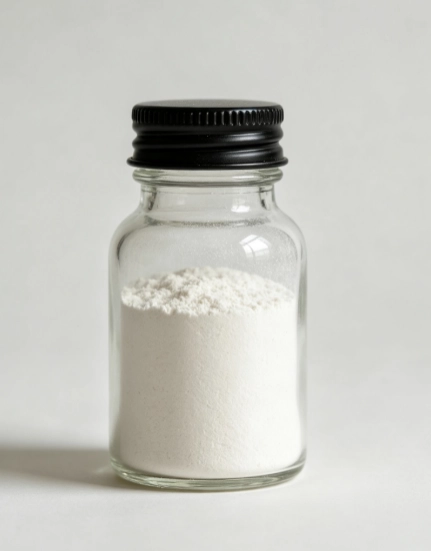
Description of Eye drop grade HA powder
Eye Drop Grade Hyaluronic Acid (HA) Powder is known for its exceptional moisture-retaining, viscoelastic, and lubricating properties, making it ideal for soothing, hydrating, and protecting the eye surface.
In eye drop formulations, HA provides long-lasting hydration, helping to alleviate dryness, irritation, and discomfort caused by environmental factors, extended screen time, or contact lens use. Its high molecular weight forms a protective, lubricating film over the cornea, offering relief from dry eyes and improving tear film stability. Eye drop grade HA powder is free from harmful additives and features low endotoxin levels, ensuring safety and comfort for sensitive eyes.
This versatile ingredient is commonly used in eye drops, contact lens solutions, and post-surgery eye care products, offering reliable hydration and lubrication to enhance eye health.
Technical Specifications of pharmaceutical grade HA Powder
Eyedrop Grade Hyaluronic Acid | HAE-2.0 | M.W. 600-1,300k Da | EP 9.0 Standard, DMF Certificate |
HAE-3.0 | M.W. 1,600-2,500k Da |
| Parameter | Specification | Test Method |
|---|---|---|
| Appearance | White to off-white free-flowing powder | Visual inspection |
| Purity (Sodium Hyaluronate) | ≥ 99.9% | HPLC |
| Molecular Weight | 600 kDa – 2.5 MDa (custom ranges available) | Size Exclusion Chromatography |
| Endotoxin Level | < 0.05 EU/mg | LAL test |
| Protein Content | < 0.1% | BCA assay |
| Heavy Metals | < 10 ppm | ICP-MS |
| Microbial Limits | Sterile (CFU/g < 10) | USP <61>, <62> |
| pH (1% solution) | 6.0 – 7.5 | pH meter |
| Loss on Drying | < 8.0% | Thermogravimetric analysis |
Key Benefits of Medical Grade Sodium Hyaluronate Powder
- Ultra-High Purity: 99.9% pure sodium hyaluronate with ultra-low endotoxin levels (<0.05 EU/mg)
- Regulatory Compliance: Meets USP-NF, European Pharmacopoeia (EP), and Japanese Pharmacopoeia (JP) standards
- Sterility Assurance: Manufactured in ISO Class 7 cleanroom facilities with terminal sterilization options
- Batch-to-Batch Consistency: Rigorous quality control ensures uniform molecular weight distribution
- Medical Device Compatibility: Formulated for ophthalmic viscoelastic devices, joint injection systems, and wound care products
- Technical Support: Dedicated medical applications team for formulation assistance and regulatory guidance
Application of pharmaceutical grade HA Powder
1. Ophthalmic Surgery
Viscoelastic Procedures: Cataract surgery, corneal transplantation, glaucoma surgery
Key Requirements: High viscosity, excellent elastic properties, transparent solutions
Molecular Weight: 1.5-2.5 MDa for optimal viscoelastic properties
2. Orthopedic Injections
Intra-articular Therapies: Osteoarthritis treatment, viscosupplementation
Key Requirements: Specific molecular weight profiles, sterile pyrogen-free formulations
Molecular Weight: 500 kDa – 1.2 MDa for joint lubrication and shock absorption
3. Wound Healing & Dermatology
Advanced Wound Care: Diabetic ulcers, surgical wounds, burn treatment
Key Requirements: Hydration properties, biocompatibility, promotion of tissue regeneration
Molecular Weight: Various ranges for different formulation types
4. Drug Delivery Systems
Sustained Release Formulations: Ocular drug delivery, topical therapeutics
Key Requirements: Controlled viscosity, mucoadhesive properties, biocompatibility
Molecular Weight: Customized based on release profile requirements
Technical Documentation
Complete regulatory and technical documentation available:
Certificate of Analysis (Sample) – Batch-specific quality testing results
Drug Master File (DMF) Abstract – Regulatory submission support document
Material Safety Data Sheet (MSDS) – Safety and handling information
Stability Study Data – Long-term stability under various conditions
Biocompatibility Test Reports – ISO 10993 testing results
Sterilization Validation Reports – Sterilization method validations
Frequently Asked Questions
Q1: What’s the difference between medical grade and cosmetic grade sodium hyaluronate?
Q2: Do you offer different molecular weight options?
Q3: What sterilization methods are available?
Q4: Can you provide regulatory submission support?
Q5: What’s the minimum order quantity?
Pharmaceutical grade HA Powder Reference
A Meta-Analysis of the Efficacy of Hyaluronic Acid Eye Drops for the Treatment of Dry Eye Syndrome
- Hyaluronic acid (HA) is commonly used for treating dry eye syndrome (DES). This meta-analysis was performed to compare the efficacies of HA- and non-HA-based eye drops, including saline and conventional artificial tears (ATs), for the treatment of dry eye disease.