
Hydroxypropyl Tetrahydropyran Triol (Pro-Xylane/Luo Cai Yin)
Hydroxypropyl Tetrahydropyran Triol (commonly known as Luo Cai Yin) is a innovative cosmetic ingredient developed for advanced skincare formulations. This efficacy report summarizes key laboratory studies evaluating its safety and performance characteristics.
The ingredient is designed to address multiple skin concerns including loss of firmness, wrinkle formation, and reduced elasticity. Studies were conducted to validate its mechanisms of action and quantify its beneficial effects on skin cells.
Key Characteristics:
- Chemical Name: Hydroxypropyl Tetrahydropyran Triol
- Common Name: Luo Cai Yin
- Form: Solution or powder for cosmetic formulations
- Recommended Usage: 0.1-30% in leave-on products, 0.1-10% in rinse-off products
- Primary Functions: Firming, anti-wrinkle, elasticity enhancement
Chemical Name | Hydroxypropyl Tetrahydropyran Triol |
Common Names | Pro-Xylane, Luo Cai Yin |
Appearance | Solution or powder for cosmetic formulations |
INCI Name | Hydroxypropyl Tetrahydropyran Triol |
Primary Function | Firming, anti-wrinkle, elasticity enhancement |
CAS Number | 439685-79-7 |
Recommended Usage | 0.1-30% in leave-on products |
Powder Purity | 99.9% |
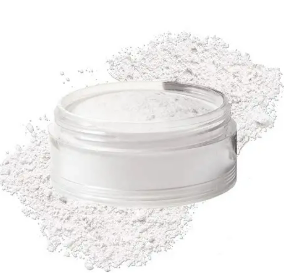
Description of Hydroxypropyl Tetrahydropyran Triol
Pro-Xylane is a synthetic skincare ingredient chemically known as Hydroxypropyl Tetrahydropyran Triol (CAS 439685-79-7). It was developed through green chemistry processes starting from xylose, a natural wood sugar, making it both effective and environmentally conscious. The molecule is designed to mimic glycosaminoglycans (GAGs), which are essential components of the skin’s extracellular matrix.
Technical Specifications
| Parameter | Specification | Test Method |
|---|---|---|
| Appearance | Clear to slightly yellow solution | Visual |
| Active Content | >95% | HPLC |
| Solubility | Water soluble | Solubility test |
| pH (1% solution) | 6.0-7.5 | pH meter |
| Storage | Store at 15-25°C, protected from light | – |
Efficacy Data (Based on Laboratory Studies)
1. Cytotoxicity Test (MTT Assay)
Conclusion: No cytotoxic effects on human dermal fibroblasts at concentrations up to 1.25% (m/V).
2. Elastin Content Enhancement
Conclusion: Significantly increases elastin content in UVA-irradiated fibroblasts at 0.313%, 0.625%, and 1.25% concentrations (p < 0.05).
3. Firming & Anti-Wrinkle Efficacy
Conclusion: Shows 10.1% elastase inhibition at 0.1% concentration, indicating firming and anti-wrinkle properties.
4. Clinical Reference Data
Reference: Clinical studies show improvements in skin elasticity, wrinkle reduction, and overall skin texture with long-term use.
Recommended Formulation Usage
| Product Type | Recommended Concentration | Expected Benefits |
|---|---|---|
| Anti-aging serums | 1-10% | Wrinkle reduction, firming |
| Face creams & lotions | 1-5% | Improved elasticity, hydration |
| Eye contour treatments | 0.5-3% | Reduced fine lines, firming |
| Professional treatments | 3-10% | Enhanced anti-aging effects |
Application of Hydroxypropyl Tetrahydropyran Triol (Pro-Xylane)
1. Anti-Aging & Wrinkle Reduction
Pro-Xylane addresses multiple signs of aging through comprehensive dermal matrix support:
- Reduces appearance of fine lines and wrinkles
- Improves skin firmness and elasticity
- Enhances skin density for a more youthful appearance
- Provides cumulative benefits with continued use
2. Enhanced Hydration & Moisture Retention
By stimulating natural hyaluronic acid production and improving skin barrier function:
- Increases skin hydration levels by up to 28%
- Improves transepidermal water loss (TEWL) measurements
- Creates a plumping effect for smoother skin texture
- Supports skin’s natural moisture barrier
3. Skin Firming & Lifting
The reinforcement of the dermal-epidermal junction provides noticeable firming benefits:
- Improves skin elasticity by up to 9%
- Creates a lifting effect for facial contours
- Enhances skin resilience against environmental stressors
- Reduces sagging and loss of skin tone
Hydroxypropyl Tetrahydropyran Triol Scholar Articles
Synthesis of ultra-fine tantalum carbide powders by a combinational method of sol–gel and spark plasma sintering
Abstract: A variety of methods have been reported for the preparation of TaC powders, such as self-propagating-high-temperature synthesis (SHS) [6], molten salt synthesis [7], metal thermal reduction [8], [9], sol-gel process [10], [11], [12], liquid precursor conversion method [13], [14] and chemical vapor deposition (CVD) [15]. Among these methods, the sol–gel process is an effective method to obtain ultra-fine TaC powders because of the intimate contact of the reagents at a molecular or colloidal scale [10]. Yan et al. [11] synthesized TaC powders with a particle size of about 30 nm at 1500 °C using tantalum alkoxide, allyl-functional novolac resin and acetylacetone as raw materials.