
Nano-Hydroxyapatite (n-HA) Powder — Toothpaste & Oral Care Grade (Rod & Needle Morphologies)
Nano-hydroxyapatite (n-HA) powder (CAS 1306-06-5, Ca₁₀(PO₄)₆(OH)₂) is a synthetic biomimetic calcium phosphate material engineered to match the chemical composition and crystal structure of natural human tooth enamel (97% hydroxyapatite). Our toothpaste-grade n-HA powder is available in two precisely controlled particle morphologies — rod-shaped (20–80 nm length, 10–20 nm width, aspect ratio ≤3) and needle-like (60–150 nm length) — with purity ≥97% and a stoichiometric Ca/P molar ratio of 1.67, identical to natural enamel mineral.
Unlike fluoride, which chemically converts enamel to acid-resistant fluorapatite, nano-hydroxyapatite works biomimetically: its nanoparticles physically fill microscopic enamel defects, occlude exposed dentinal tubules (relieving sensitivity), and create a smooth, light-reflective enamel surface for a naturally brighter appearance. Our rod-shaped n-HA is fully compliant with the EU SCCS 2025 safety opinion for oral care products (up to 29.5% in toothpaste, up to 10% in mouthwash). Bulk supply with full Certificate of Analysis — request a quote for your formulation requirements.
Technical Specifications
| Parameter | Value |
|---|---|
| Product Name | Nano-Hydroxyapatite (n-HA) Powder — Toothpaste & Oral Care Grade |
| CAS Number | 1306-06-5 |
| Chemical Formula | Ca₁₀(PO₄)₆(OH)₂ |
| Molecular Weight | 1004 g/mol |
| Ca/P Molar Ratio | 1.67 (stoichiometric — matches natural enamel) |
| Purity | ≥97% (toothpaste grade), up to 99% |
| Particle Shape | Rod-shaped (EU SCCS-approved); Needle-like available for non-oral applications |
| Particle Size (Rod) | Length: 20–80 nm; Width: 10–20 nm; Aspect ratio ≤3 (≥87%) |
| Particle Size (Needle) | Length: 60–150 nm; Width: 10–20 nm (non-oral-care use only per EU SCCS) |
| Heavy Metals | Pb ≤10 ppm, As ≤3 ppm, Total ≤15 ppm |
| pH (10% suspension) | 7.0–9.0 |
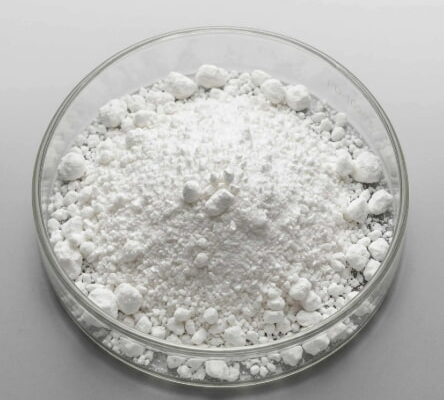
| Appearance | White fine powder; whiteness ≥96% |
| Bulk Density | 0.20–0.40 g/mL |
| Target Applications | Toothpaste (up to 29.5% per EU SCCS 2025), mouthwash (≤10%), dental varnish, whitening formulations |
| Regulatory | EU SCCS-approved (rod-shaped only); FDA not yet approved as anti-cavity agent |
Particle Morphology & Size Specifications
Rod-Shaped Nano-Hydroxyapatite (EU SCCS-Approved for Oral Care)
Our rod-shaped n-HA powder features precisely controlled particle dimensions that closely mimic natural enamel hydroxyapatite nanocrystals. The rod morphology provides optimal surface area for enamel adhesion while maintaining a safe aspect ratio profile. Key specifications:
- Length: 20–80 nm (customizable within this range)
- Width: 10–20 nm
- Aspect Ratio: ≥87% of particles have AR ≤3; remaining ≤13% have AR ≤9 (per EU SCCS 2025)
- EU SCCS Status: Approved for toothpaste (≤29.5 wt%) and mouthwash (≤10 wt%)
- Best For: Toothpaste, mouthwash, dental varnish, whitening gel — any formulation requiring EU regulatory compliance for oral care
Needle-Like Nano-Hydroxyapatite (Non-Oral-Use Grade)
Our needle-like n-HA powder offers a higher aspect ratio morphology for applications where elongated particle geometry is beneficial. Note: This morphology is NOT EU SCCS-approved for toothpaste or oral care products. It is suitable for non-oral biomedical, coating, and materials science applications. Key specifications:
- Length: 60–150 nm (customizable)
- Width: 10–20 nm
- Aspect Ratio: Typically 3–9 (higher surface-to-volume ratio than rods)
- EU SCCS Status: NOT approved for oral care products
- Best For: Bone tissue engineering scaffolds, drug delivery carriers, bioactive coatings, composite reinforcement — non-oral biomedical and industrial applications
Custom Particle Size Tuning
We offer custom particle size distributions within the ranges above. Whether you need ultra-fine 20 nm rods for maximum enamel penetration or 80 nm rods for controlled tubule occlusion, our manufacturing process allows precise tuning of length, width, and aspect ratio distribution. Contact our technical team with your target specifications for a feasibility assessment.
Applications
Remineralizing Toothpaste Formulations
The primary application of nano-hydroxyapatite powder is as the active remineralizing ingredient in fluoride-free toothpaste. At concentrations of 5–15% (with 10% as the clinical benchmark), n-HA particles physically fill microscopic enamel defects, occlude exposed dentinal tubules (2–5 μm diameter), and create a biomimetic protective layer on the tooth surface. Multiple peer-reviewed studies (2022–2023) confirm n-HA toothpaste matches or approaches fluoride efficacy for remineralization of early enamel caries, with the added benefits of zero fluorosis risk, safe swallowing for children, and natural whitening through enamel surface smoothing. Our rod-shaped n-HA (EU SCCS-approved) is the standard recommendation for toothpaste manufacturers targeting the European and Asian oral care markets.
Professional Dental & Whitening Products
Beyond toothpaste, nano-hydroxyapatite is the active ingredient in a growing range of professional and consumer oral care products: post-whitening remineralizing gels (n-HA repairs enamel microporosity caused by peroxide bleaching), sensitivity relief serums (direct tubule occlusion without potassium nitrate numbing agents), orthodontic decalcification treatments (repairing white spot lesions around brackets), and children's fluoride-free toothpaste (safe to swallow, zero fluorosis risk). Our customizable particle sizes allow formulators to optimize for their specific product viscosity, dispersion, and bioavailability requirements. Request samples with your target particle size specification for formulation testing.
Why Choose Our Nano-Hydroxyapatite Powder for Oral Care
- Dual Morphology — Rod & Needle: We are one of the few manufacturers offering both EU SCCS-compliant rod-shaped n-HA for toothpaste/mouthwash and needle-like n-HA for non-oral biomedical applications. Each morphology is produced, tested, and labeled separately — no cross-contamination risk.
- Precision Particle Size Control: Length tunable from 20–150 nm, width from 10–20 nm. Laser diffraction PSD analysis and TEM morphology imaging provided with every lot — you know exactly what you're formulating with.
- ≥97% Purity, Verified per Lot: Full ICP-OES Certificate of Analysis with every shipment covering Ca/P ratio (target 1.67), trace element profile, and heavy metal content (Pb, As, Cd, Hg — all within EU cosmetic limits).
- EU SCCS Regulatory Compliance (Rod Grade): Our rod-shaped n-HA meets the 2025 EU Scientific Committee on Consumer Safety specifications: ≥87% of particles with aspect ratio ≤3, rod morphology, no surface coating or modification.
- Bio-Matched Ca/P Ratio 1.67: Stoichiometric calcium-to-phosphate ratio identical to natural human enamel and dentin — ensures optimal biomimetic integration and remineralization efficacy.
- Bulk Supply with Fast Fulfillment: Standard grades in stock for immediate shipment. Custom particle sizes quoted within 48 hours. From R&D sample quantities (100 g) to full production volumes (100+ kg).
Ordering & After-sales Support
Every nano-hydroxyapatite powder order includes complete documentation: ICP-OES Certificate of Analysis (Ca/P ratio, trace elements, heavy metal content), laser diffraction PSD report (D10/D50/D90), TEM morphology image confirming rod or needle particle shape, Certificate of Conformance, and commercial documentation (Invoice, Packing List, Certificate of Origin). Standard lead time is 1–2 weeks for stock grades; custom particle size distributions require 3–4 weeks. Powder is packaged in vacuum-sealed, moisture-resistant containers to prevent hydration and maintain dispersibility. We ship globally with full export documentation. Minimum order quantity (MOQ): 100 g for sample/testing quantities; 1 kg for standard toothpaste-grade rod-shaped n-HA. Rush orders and partial shipments available. Contact our sales team or use the inquiry form below.
Frequently Asked Questions About Nano-Hydroxyapatite Powder
What is nano-hydroxyapatite and how does it work in toothpaste?
Nano-hydroxyapatite (n-HA) is a synthetic form of calcium phosphate — the same mineral that makes up 97% of human tooth enamel. In toothpaste, n-HA nanoparticles (20–80 nm) physically fill microscopic enamel defects, occlude exposed dentinal tubules to relieve sensitivity, and create a smooth, light-reflective enamel surface. Unlike fluoride, which chemically converts enamel, n-HA works biomimetically by directly replenishing lost minerals with enamel-identical material. The nano particle size is critical — it allows penetration into submicron enamel pores that larger micro-HA particles cannot access.
What is the difference between rod-shaped and needle-like n-HA?
Rod-shaped n-HA has a low aspect ratio (length/width ≤3 for ≥87% of particles), closely mimicking natural enamel nanocrystals. This morphology is EU SCCS-approved for oral care products (toothpaste ≤29.5%, mouthwash ≤10%). Needle-like n-HA has a higher aspect ratio (3–9), providing greater surface area for non-oral applications like bone scaffolds and drug delivery. Needle-shaped particles are NOT EU-approved for toothpaste or mouthwash. We supply both morphologies with clear labeling — ensure you select rod-shaped for oral care formulations.
What particle size of n-HA is optimal for toothpaste?
Research indicates that n-HA particles in the 20–80 nm range (length) with 10–20 nm width provide the optimal balance of enamel penetration, tubule occlusion, and formulation stability. Particles smaller than 20 nm may have reduced structural stability; particles larger than 100 nm cannot effectively penetrate submicron enamel defects. Our standard toothpaste-grade rod-shaped n-HA is supplied at 30–60 nm with customizable distributions to match your formulation's specific viscosity and dispersion requirements.
Is nano-hydroxyapatite safe? Does it have regulatory approval?
Yes — when used as rod-shaped particles in oral care products. The EU Scientific Committee on Consumer Safety (SCCS) issued its final opinion in 2025 confirming n-HA safety in toothpaste (≤29.5%) and mouthwash (≤10%). n-HA is non-toxic if swallowed (it breaks down into calcium and phosphate in stomach acid), carries zero fluorosis risk, and has been used in Japanese oral care products since the 1990s. The FDA has not yet approved n-HA as an anti-cavity drug. Notably, the EU approval applies only to rod-shaped (not needle-like) particles.
How does n-HA compare to fluoride for cavity prevention?
Multiple 2022–2023 clinical studies show 10% n-HA toothpaste achieves remineralization comparable to 500 ppm fluoride — though standard US fluoride toothpaste contains 1,000–1,450 ppm (2–3× higher). n-HA's advantages include: (1) zero fluorosis risk for children who swallow toothpaste, (2) natural whitening through enamel smoothing, (3) direct tubule occlusion for sensitivity relief without numbing agents, (4) biomimetic repair with enamel-identical mineral rather than chemical conversion. Many dentists recommend a hybrid approach: n-HA in the morning, fluoride at night.
What documentation and testing do you provide with n-HA powder orders?
Every order includes: (1) ICP-OES Certificate of Analysis — full elemental profile with Ca/P ratio, trace elements (Fe, Mg, Na, K), and heavy metals (Pb, As, Cd, Hg); (2) Laser diffraction PSD report — D10, D50, D90 values; (3) TEM morphology image — confirming rod or needle particle shape and dimensions; (4) Certificate of Conformance; (5) Commercial documentation (Invoice, Packing List, Certificate of Origin). Additional testing (XRD crystallinity, BET surface area, microbial limits) available upon request. Contact our team at +1 (646) 749-1791 for a same-day quote.
Research & Technical References
The following peer-reviewed research demonstrates nano-hydroxyapatite efficacy in enamel remineralization, dentinal tubule occlusion, and oral care applications. Our n-HA powder meets or exceeds the material specifications used in these studies.
Remineralization Induced by Biomimetic Hydroxyapatite Toothpastes on Human Enamel
Biomimetics (MDPI), 2023 — Evaluated pure and multi-substituted nano-hydroxyapatite toothpastes (crystal size 28–33 nm, particle size 30–40 nm) on human enamel over 10 days. Both pure HAP and HAP-Mg-Zn-Sr-Si formulations successfully remineralized enamel surfaces, with the pure HAP group (P2) achieving the second-best surface roughness reduction among four tested formulations. Practical takeaway: Our ≥97% purity n-HA powder with 20–80 nm rod morphology matches the particle size range and composition validated by this study for effective enamel remineralization in toothpaste — formulators can reference these results when developing fluoride-free remineralizing toothpaste.
Analytical Framework for Nanohydroxyapatite Evaluation by ICP-OES in Toothpaste Formulations
BMC Chemistry (Springer Nature), 2026 — Developed a validated ICP-OES methodology for quantifying hydroxyapatite-equivalent calcium and phosphorus in commercial toothpaste products. The study confirmed that accurate Ca/P ratio measurement is essential for verifying n-HA authenticity and concentration in finished formulations, with stoichiometric hydroxyapatite showing a Ca/P ratio of 1.67. Practical takeaway: Every lot of our n-HA powder ships with an ICP-OES Certificate of Analysis documenting the exact Ca/P ratio (target 1.67 ± 0.02) — enabling toothpaste manufacturers to verify active ingredient content and meet EU regulatory labeling requirements for hydroxyapatite concentration claims.
Ultrastructural Investigation of Remineralizing Toothpastes on Demineralized Enamel
Journal of Esthetic and Restorative Dentistry (Wiley), 2023 — SEM/EDX analysis of bovine enamel treated with NaF, NaF/SnF₂, NovaMin, and nano-HAP toothpastes. Nano-HAP-treated samples showed visible crystal deposit accumulation on enamel surfaces, confirming the physical deposition mechanism of hydroxyapatite remineralization (distinct from fluoride's chemical conversion mechanism). Practical takeaway: The physical deposition mechanism validated by this study means n-HA toothpaste efficacy depends directly on particle size and morphology — our precisely controlled 20–80 nm rod-shaped particles are engineered for optimal enamel penetration and surface deposition, providing the crystal deposit formation documented in this research.
Contact our technical team for the full reference list and to discuss how our nano-hydroxyapatite powder can meet your specific oral care formulation requirements — including particle size optimization for your target viscosity, dispersion, and bioavailability profile.