
L-Carnosine Powder ≥99% | CAS 305-84-0 | Anti-Glycation Antioxidant Dipeptide
L-Carnosine (β-alanyl-L-histidine) is a naturally occurring dipeptide composed of the amino acids β-alanine and L-histidine. With the molecular formula C₉H₁₄N₄O₃ and a molecular weight of 226.23 Da (CAS 305-84-0), carnosine is found naturally in human muscle, brain, and heart tissue.
Best known for its anti-glycation properties, carnosine helps protect structural proteins like collagen and elastin from sugar-induced damage, supporting skin elasticity and healthy aging. It also acts as a potent antioxidant, neutralizing free radicals and reducing oxidative stress. Additional benefits include metal ion chelation, anti-inflammatory support, and exercise performance enhancement through muscle pH buffering — making it a popular ingredient in sports nutrition and anti-aging supplements.
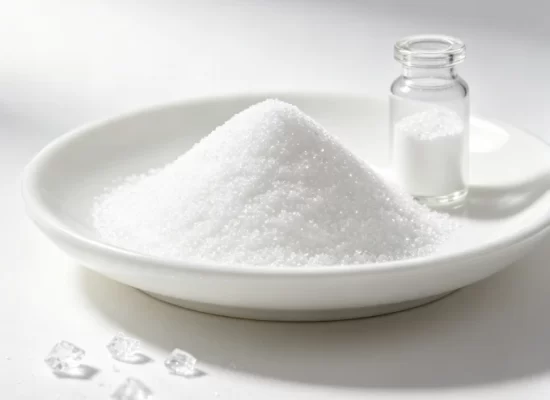
Our L-Carnosine is manufactured to ≥99% purity (HPLC) and supplied as a white crystalline powder, suitable for use in dietary supplements, sports nutrition, functional foods, and cosmetic formulations.
Technical Specifications
| Product Name | L-Carnosine |
| CAS NO | 305-84-0 |
| MF | C9H14N4O3 |
| MW | 226.23 |
| EINECS | 206-169-9 |
| Melting Point | 253 ºC (dec.) (lit.) |
| Assay | 99%min |
| Storage | Cool Dry Place |
| Grade | Food Grade, Cosmetic grade |
| Appearance | White powder |
| Test method | HPLC |
What Is L-Carnosine?
L-Carnosine is a small, naturally occurring dipeptide — meaning it is made of just two amino acids linked together: β-alanine and L-histidine. It was first identified in muscle tissue and is one of the most abundant dipeptides in the human body.
Carnosine is unique because it contains β-alanine — a non-protein amino acid that is not incorporated into proteins but serves as the rate-limiting precursor for carnosine synthesis in muscle. The histidine component provides the imidazole ring that gives carnosine its pH-buffering and antioxidant properties.
In the body, carnosine is concentrated in tissues with high metabolic activity — skeletal muscle, heart, and brain — where it supports pH balance, protects against oxidative damage, and helps maintain protein integrity.
L-Carnosine Applications
1. Dietary Supplements & Nutraceuticals
- Anti-aging supplements — glycation defense, antioxidant support
- Sports nutrition — pre-workout, intra-workout, and recovery formulas
- Cognitive support / nootropics — brain health and neuroprotection
- General wellness formulas — antioxidant and cellular health support
- Eye health supplements — carnosine and N-acetyl carnosine are used in eye health products
2. Sports Nutrition
- Pre-workout powders — pH buffering for enhanced performance
- Intra-workout drinks — delay fatigue during long training sessions
- Post-workout recovery — reduce exercise-induced oxidative stress
- Amino acid blends — combined with BCAAs, creatine, beta-alanine
- Energy drinks & functional beverages
3. Functional Foods & Beverages
- Protein bars and shakes — added for performance and recovery benefits
- Functional beverages — sports drinks, recovery drinks, enhanced waters
- Healthy snacks — fortified bars, gummies, and snacks
- Meal replacement shakes
4. Cosmetics & Skincare
- Anti-aging serums and creams — glycation defense, collagen protection
- Antioxidant skincare — free radical protection, environmental defense
- Eye creams — fine lines, elasticity, under-eye firming
- Body firming products — skin elasticity and density
- Hair and scalp care — antioxidant and anti-inflammatory support
- After-sun and post-procedure recovery — soothing and protective
5. Pet Nutrition & Veterinary
- Pet supplements — aging support, joint health, cognitive function in senior pets
- Equine nutrition — performance and recovery in horses
6. Research & Development
- Biomedical research — glycation, aging, neuroscience, exercise physiology
- Formulation R&D — new product development for supplements and cosmetics
Frequently Asked Questions (FAQ)
Q: What is the CAS number for L-Carnosine?
A: The CAS number for L-Carnosine (β-alanyl-L-histidine) is 305-84-0.
Q: Is L-Carnosine the same as beta-alanine?
A: No. L-Carnosine is a dipeptide made of β-alanine + L-histidine. Beta-alanine is a single amino acid that is a precursor to carnosine synthesis in the body. Supplementing with carnosine directly provides the active dipeptide, while beta-alanine must be combined with histidine in the body to form carnosine.
Q: What is the difference between L-Carnosine and N-Acetyl-Carnosine?
A: N-Acetyl-Carnosine (NAC) is a modified form of carnosine with an acetyl group attached, making it more stable and better able to penetrate certain tissues (especially the eye). L-Carnosine is the natural, unmodified form and is more commonly used in supplements, sports nutrition, and general cosmetics. NAC is primarily used in eye care products.
Q: Is L-Carnosine vegan and cruelty-free?
A: Yes. Our L-Carnosine is manufactured through chemical synthesis or fermentation — it is 100% vegan, vegetarian, and cruelty-free. It contains no animal-derived ingredients and no animal testing is conducted.