
Spherical NiTi (Nitinol) Powder: Particle Sizes & Production Methods for Additive Manufacturing
Keywords:
Spherical NiTi powder, nitinol spherical powder, gas atomized nitinol powder, PREP nitinol powder, nitinol powder particle size, nitinol powder for 3D printing, ASTM F2063 nitinol powder, 15-45μm spherical nitinol powder, 45-105μm NiTi alloy powder, high purity nitinol spherical powder, nitinol spherical powder manufacturer, wholesale NiTi spherical powder, custom particle size nitinol powder
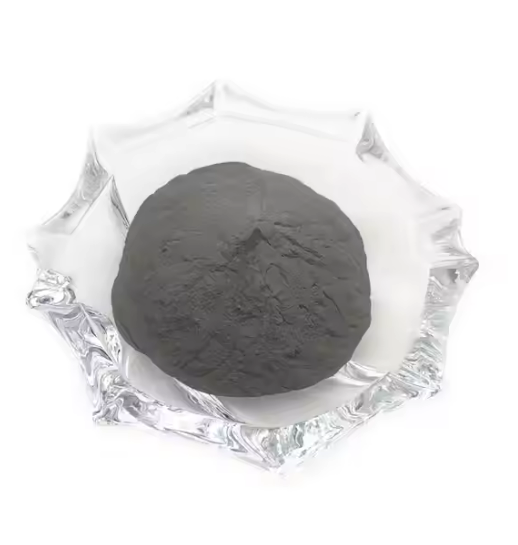
Gas Atomized PREP Nitinol Powder customzied particle size
Spherical NiTi powder, also widely known as nitinol spherical powder, has become a core raw material for modern additive manufacturing and industrial 3D printing. Thanks to its unique shape memory effect, superelasticity and excellent biocompatibility, this alloy powder is extensively adopted in medical implants, aerospace components and precision machinery. The performance, printability and final product quality of spherical nitinol powder largely depend on two key factors: particle size distribution and powder production technology. Below we elaborate on mainstream particle size specifications and professional manufacturing methods of high-quality spherical NiTi powder for your selection.
Common Particle Sizes of Spherical Nitinol Powder for 3D Printing
Different additive manufacturing technologies require matched nitinol powder particle sizes. We supply a full range of standard and custom particle size fractions to fit SLM, EBM, LPBF and other mainstream 3D printing processes.
Standard Particle Size Grades
0–15 μm spherical NiTi powder:
Ideal for fine structure printing and micro-component manufacturing. This ultra-fine nitinol powder delivers high surface finish and precision, widely used in miniature medical devices and delicate electronic parts.
15–45 μm spherical nitinol powder:
- The most popular size for selective laser melting (SLM). With balanced fluidity and packing density, it is the preferred particle size for regular medical implants and general industrial 3D printing.
45–105 μm NiTi alloy powder:
- Designed for electron beam melting (EBM) and large-size component printing. Coarser particles feature great flowability and work well for aerospace structural parts and thick-wall workpieces.
45–150 μm nitinol powder:
- Mainly applied in thermal spraying and conventional powder metallurgy, suitable for surface reinforcement and large-scale industrial production.
Main Production Methods for Spherical NiTi (Nitinol) Powder
The production process directly determines powder sphericity, oxygen content, fluidity and purity. Currently, gas atomization, Plasma Rotating Electrode Process (PREP) and plasma spheroidization are the three mainstream technologies for manufacturing qualified spherical nitinol powder.
Gas Atomized Nitinol Powder
Application: General industrial 3D printing, common alloy parts and wholesale bulk nitinol powder supply.
Our gas atomized nitinol powder strictly controls oxygen content and particle uniformity, and complies with basic industrial usage standards.
PREP Nitinol Powder (Plasma Rotating Electrode Process)
Application: High-precision 3D printing, aerospace components and high-standard medical devices.
PREP nitinol powder is the top choice for scenarios with strict requirements on powder purity and stability.
Plasma Spheroidization Nitinol Powder
Application: Upgrading existing common powder for high-standard additive manufacturing.
Quality Standards for Our Spherical NiTi Powder
All spherical nitinol powder from Princeton Powder conforms to ASTM F2063, the official standard for medical-grade nitinol materials. Whether gas atomized, PREP or plasma spheroidized powder, we guarantee low oxygen content, stable chemical composition and reliable batch consistency. Our products cover medical grade, aerospace grade and general industrial grade, supporting both small-batch orders and large-volume wholesale.