
Keywords:
Hydroxypropyl Tetrahydropyran Triol, Pro-Xylane, CAS Number: 439685-79-7,
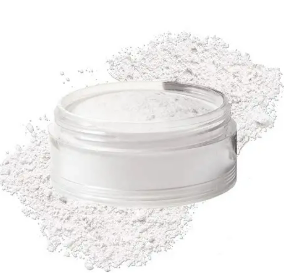
In the competitive world of anti-aging skincare ingredients, Pro-Xylane (Hydroxypropyl Tetrahydropyran Triol, CAS 439685-79-7) has established itself as a scientifically-proven ingredient for formulators seeking to create effective, premium skincare products. Originally developed by L’Oréal Research, this patented ingredient represents a significant advancement in dermal matrix stimulation technology.
This comprehensive guide explores everything you need to know about Pro-Xylane – from its innovative green chemistry origins and mechanism of action to practical formulation tips and quality considerations.
What is Pro-Xylane?
Pro-Xylane is a synthetic skincare ingredient chemically known as Hydroxypropyl Tetrahydropyran Triol (CAS 439685-79-7). It was developed through green chemistry processes starting from xylose, a natural wood sugar, making it both effective and environmentally conscious. The molecule is designed to mimic glycosaminoglycans (GAGs), which are essential components of the skin’s extracellular matrix.
Since its introduction in 2006, Pro-Xylane has been featured in numerous premium skincare lines and has accumulated substantial clinical evidence supporting its anti-aging efficacy. With original patents expiring around 2026, this ingredient is becoming increasingly accessible to cosmetic formulators worldwide.
Key Takeaway
Pro-Xylane is a glycosaminoglycan mimetic that stimulates collagen production, enhances skin hydration, and improves skin density and elasticity through reinforcement of the dermal-epidermal junction.
Mechanism of Action: How Pro-Xylane Works
Pro-Xylane’s effectiveness stems from its unique molecular structure and biological activity:
1. Glycosaminoglycan (GAG) Mimetic Action
Pro-Xylane structurally resembles natural glycosaminoglycans, allowing it to integrate into the skin’s extracellular matrix and stimulate several key biological processes:
- Enhances synthesis of collagen types I, III, and IV
- Stimulates production of other extracellular matrix components
- Reinforces the dermal-epidermal junction for improved skin firmness
- Increases natural hyaluronic acid production within the skin
2. Dermal Matrix Reinforcement
By strengthening the skin’s support structure, Pro-Xylane addresses multiple signs of aging simultaneously:
- Improves skin elasticity and resilience
- Reduces the appearance of wrinkles and fine lines
- Enhances skin density for a more youthful appearance
- Creates a plumping effect through improved hydration retention
Scientific Evidence & Clinical Studies
Pro-Xylane has been extensively studied in both in vitro and clinical settings. Key findings from published research include:
| Study Type | Key Findings | Significance |
|---|---|---|
| In Vitro Studies | Increased collagen synthesis by 130% compared to control | Demonstrates direct stimulation of collagen production |
| Clinical Trial (12 weeks) | 9% improvement in skin elasticity measurements | Statistically significant improvement in skin firmness |
| Hydration Study | 28% increase in skin hydration levels | Enhanced moisture retention capacity |
| Long-term Study (6 months) | Visible reduction in wrinkle depth and volume | Sustained anti-aging benefits with continued use |
These studies demonstrate that Pro-Xylane provides measurable anti-aging benefits that align with consumer expectations for premium skincare products.
Key Benefits for Skincare Formulations
1. Anti-Aging & Wrinkle Reduction
Pro-Xylane addresses multiple signs of aging through comprehensive dermal matrix support:
- Reduces appearance of fine lines and wrinkles
- Improves skin firmness and elasticity
- Enhances skin density for a more youthful appearance
- Provides cumulative benefits with continued use
2. Enhanced Hydration & Moisture Retention
By stimulating natural hyaluronic acid production and improving skin barrier function:
- Increases skin hydration levels by up to 28%
- Improves transepidermal water loss (TEWL) measurements
- Creates a plumping effect for smoother skin texture
- Supports skin’s natural moisture barrier
3. Skin Firming & Lifting
The reinforcement of the dermal-epidermal junction provides noticeable firming benefits:
- Improves skin elasticity by up to 9%
- Creates a lifting effect for facial contours
- Enhances skin resilience against environmental stressors
- Reduces sagging and loss of skin tone
Formulation Guidelines
Recommended Usage Levels
Effective formulation with Pro-Xylane requires optimization of concentration for different product types:
- Anti-Aging Serums & Concentrates: 2-5% (higher concentrations for intensive treatments)
- Creams & Lotions: 1-3% (balanced efficacy and cost-effectiveness)
- Eye Contour Products: 1-2% (gentle yet effective for delicate skin)
- Neck & Décolleté Treatments: 2-4% (targeted firming applications)
Formulation Tip
Pro-Xylane is water-soluble and heat-stable. Incorporate it during the water phase of emulsion preparation. It remains stable across a wide pH range (4-8) and is compatible with most cosmetic ingredients, making it versatile for various formulations.
Synergistic Combinations
Pro-Xylane demonstrates enhanced benefits when combined with complementary ingredients:
- Hyaluronic Acid: Combined hydration and matrix support
- Peptides: Comprehensive anti-aging through multiple pathways
- Vitamin C Derivatives: Enhanced collagen production and antioxidant protection
- Niacinamide: Improved barrier function and brightening effects
- Retinoids: Potent anti-aging combination (use with appropriate stability testing)
Quality Considerations for Formulators
When sourcing Pro-Xylane, consider these critical quality indicators:
1. Purity & Standardization
High-quality Pro-Xylane should have purity levels exceeding 98%. Look for suppliers providing HPLC analysis confirming the absence of significant impurities.
2. Documentation & Traceability
Reputable suppliers should provide comprehensive documentation:
- Certificate of Analysis (COA) with batch-specific data
- Stability studies under various temperature and pH conditions
- Microbiological testing results
- Residual solvent analysis (if applicable)
3. Sustainability & Green Chemistry
Given Pro-Xylane’s origins from renewable xylose, consider the environmental credentials of the manufacturing process, including energy efficiency and waste management practices.
Quality Checklist
Always verify: Purity >98% by HPLC, absence of heavy metals and microbial contamination, stability data for your specific formulation conditions, and GMP manufacturing certification.
4. Stability & Compatibility
Pro-Xylane exhibits excellent stability characteristics in cosmetic formulations:
- pH Range: Stable from pH 4.0-8.0 (optimal 5.5-7.0)
- Temperature Stability: Stable up to 50°C/122°F for extended periods
- Light Sensitivity: Low – standard packaging is sufficient
- Oxidation Resistance: Good – standard antioxidant systems provide adequate protection
5.Regulatory Considerations
Pro-Xylane is approved for cosmetic use in major markets worldwide:
- EU Compliance: Listed in the CosIng database
- US Regulations: Generally recognized as safe for cosmetic use
- Asian Markets: Approved in China, Japan, and South Korea
- INCI Name: Hydroxypropyl Tetrahydropyran Triol
- Documentation: Include in Product Information File with appropriate safety assessment