
Nickel Titanium Nitinol Wire, Rod, Bar, and Tube (SE and SMA Alloy)
Nitinol (Nickel-Titanium, NiTi) wire and rod offer exceptional superelasticity and shape memory properties, making them the material of choice for medical, aerospace, and industrial applications. All our high-quality Nitinol products adhere to ASTM F2063-12 specifications, with customizable diameters and compositions to fit specialized use cases. Common applications include ASTM F2063 Nitinol wire for cardiovascular guidewires, orthodontic appliances, actuators, and robotic components.
ASTM F2063 SE Nitinol wire stands as the premier standard for medical-grade nickel titanium alloys, delivering superior superelasticity, shape memory, and biocompatibility for critical healthcare applications. As a top U.S. supplier of SE and SMA Nitinol, Princeton Powder provides fully compliant materials that meet strict medical device manufacturing standards, including ASTM F2063 SE Nitinol wire for medical stents, ASTM F2063 Nitinol rod for orthodontic braces, and ASTM F2063 Nitinol bar for surgical guidewires.
We supply medical-grade titanium and Nitinol products to customers across the United States and Europe, with full compliance to global medical material standards.
| Product Name | Nitinol wire, rod, bar, and tube (ASTM F2063 Compliant) |
|---|---|
| Specification | ASTM F2063-12 (Medical Grade Nickel Titanium Alloy) |
| Austenite Finish Temperature | -10°C to 120°C (Customizable for Medical & Aerospace Use) |
| Size | 0.004”–0.2” Diameter x Length; Regular & Custom Cut Wire |
| Surface | Black, Pickled, Polished, Electropolished (Medical Grade Finish) |
| Available Shape | Straight, Coils, On Spools |
| Core Applications | ASTM F2063 Nitinol for dental braces, stents, fishing wire, precision springs, surgical implants |
| Custom Wire Types | Square wire, rectangular wire, customized shape for orthodontic & surgical use |
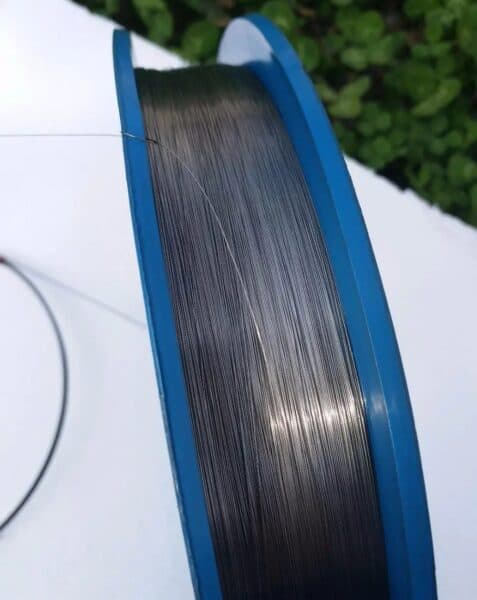
Superelastic SE Nickel Titanium Niti Wire, Nitinol wire
Nitinol wire, a Nickel-Titanium (NiTi) alloy, is renowned for its superelasticity and shape memory effect. This advanced material has revolutionized multiple industries, particularly medical, aerospace, and robotics, due to its unique ability to return to a predetermined shape after deformation. With its exceptional properties, Nitinol wire is a vital component in numerous high-performance applications.
ASTM F2063 SE Nitinol Wire, Rod, and Bar - Nickel Titanium Alloy (SE and SMA)
- Superelasticity: Undergoes extreme deformation and instantly rebounds to its original shape, ideal for Medical grade Nitinol wire for minimally invasive surgery
- Shape Memory Effect (SME): Reverts to a pre-defined shape when heated, perfect for shape memory ASTM F2063 Nitinol rod for dental appliances
- Corrosion Resistance: Highly stable in oxidation and biological environments, safe for long-term implant use
- High Fatigue Strength: Sustains peak performance through repeated stress cycles, critical for ASTM F2063 Nitinol bar for robotic actuators
- Biocompatibility: Fully safe for implantable medical devices and biomedical applications
SE Nitinol NiTi alloy Wire, rod, and bar composition
Nitinol wire is typically made of 55–56% nickel (Ni) and 44–45% titanium (Ti). The exact composition depends on the desired properties of the material.
Ultimate Tensile Strength | Elongation | Ultimate Proof Strength | Strain |
| ≥1100Mpa | ≥9% | ≥480Mpa | <0.5 |
Nitinol Wire Specifications & Availability
Nitinol wire is available in a range of diameters, finishes, and compositions to meet specific application needs. Common specifications include:
ASTM F2063 Compliant – Ensures quality for medical-grade applications.
Available Diameters – Ranges from ultra-fine to heavy-gauge sizes.
Surface Finishes – Includes electropolished, oxide-free, light oxide, and black oxide finishes.
Customized Shapes – Can be trained into specific forms for shape memory applications.
Application of Nitinol Wire, Rod, Bar & Tube ASTM F2063 SE Nitinol
ASTM F2063 Nitinol is the standard for medical applications due to its unrivaled biocompatibility and flexibility, with key uses including:
Cardiovascular Care: ASTM F2063 SE Nitinol wire for stents & neurological guidewires
Dental & Orthodontics: ASTM F2063 Nitinol rod for orthodontic braces and tooth alignment appliances
Minimally Invasive Surgery: Precision surgical tools powered by superelastic ASTM F2063 NiTi wire
Medical Devices: ASTM F2063 Nitinol tube for catheters with enhanced maneuverability
Industrial & Aerospace: Actuators, springs, robotic components, and high-performance structural par
Nitinol Wire SE & SMA Nitinol FAQ
What is Nitinol?
A: Nitinol is a metal alloy comprised of nearly equal parts of nickel (Ni) and titanium (Ti). Its name is an acronym for Nickel Titanium Naval Ordnance Laboratory, where it was discovered in the late 1950s by William J. Buehler . It is the most widely used commercial shape memory alloy (SMA).
What makes Nitinol “smart”?
A: Nitinol is considered a “smart” or “intelligent” alloy because it can exist in two different temperature-dependent crystal structures (phases) and remember a pre-programmed shape . This allows for two unique properties:
Shape Memory Effect (SME): The alloy can be deformed at a low temperature and will return to its original, “programmed” shape when heated above a specific temperature .
Superelasticity (or Pseudoelasticity): At higher temperatures, the alloy can be deformed significantly (up to 8-12%) and will instantly snap back to its original shape when the stress is removed, much like rubber but with the strength of metal
What is “Active Af” vs. “Fully Annealed Af”?
A: This distinction is crucial for buyers .
Fully Annealed Af: The transformation temperature of the material in its softest, most homogeneous state (e.g., ingot level).
Active Af: The actual transformation temperature of the material in its final product form (e.g., a wire that has been cold-worked and heat-treated for superelasticity). For a superelastic wire, the Active Af is typically set just below room or body temperature (e.g., 0°C to 15°C) to ensure superelastic behavior at the use temperature .