
Keywords:
Hafnium Carbide powder
HfC vs WC
HfC vs ZrC
HfC vs TiC
Hafnium carbide vs tungsten carbide
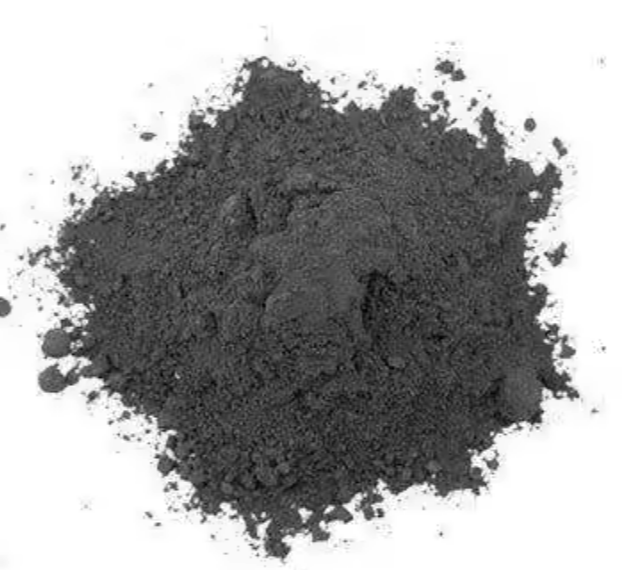
What is Hafnium Carbide HfC) powder
Hafnium Carbide (HfC) is one of the most advanced ceramic materials known for its extreme thermal resistance and outstanding mechanical properties. Among a family of refractory carbides such as Tungsten Carbide (WC), Titanium Carbide (TiC), and Zirconium Carbide (ZrC), HfC stands out as a unique ultra-high-temperature ceramic (UHTC). But what exactly makes HfC exceptional?
The Highest Melting Point Among Known Compounds
Hafnium Carbide has a melting point of approximately 3890°C, which is among the highest of all known materials—surpassing even tungsten and tantalum carbides. This makes HfC an ideal candidate for:
Thermal protection systems in hypersonic vehicles
Nozzle liners in rocket engines
High-enthalpy test environments
Superior Thermal and Oxidation Resistance
Compared to other carbides:
Zirconium Carbide ZrC powder and Titanium Carbide TiC powder offer good high-temperature resistance but begin oxidizing at lower temperatures.
Tungsten Carbide WC powder, while extremely hard, begins to degrade at ~1200°C in air.
Hafnium Carbide HfC maintains structural integrity under extreme heat and oxidation, especially when used in inert or vacuum environments, making it a top performer for aerospace and defense applications.
Superior Thermal and Oxidation Resistance
HfC exhibits:
Vickers Hardness: ~2300–2600 HV
High elastic modulus (~480–530 GPa)
Excellent wear and erosion resistance
While WC is harder under ambient conditions, HfC performs more consistently at elevated temperatures, where WC may soften or degrade.
Ideal for Composite and Coating Applications
HfC is often used in combination with:
SiC or ZrC to improve oxidation resistance
Graphene or carbon-based materials for lightweight UHTC composites
Thermal spray coatings for protective barriers in high-temperature zones
Its compatibility with multiple phases makes it ideal for ceramic matrix composites (CMCs) and plasma spray systems.
Conclusion: Why Choose Hafnium Carbide?
| Property | HfC | WC | TiC | ZrC |
| Melting Point | ~3890°C | ~2870°C | ~3160°C | ~3530°C |
| Hardness | Very High | Very High | High | High |
| Oxidation Resistance | Excellent (inert) | Moderate | Moderate | Good |
| Electrical Conductivity | Good | Good | Moderate | Good |
| High-Temperature Stability | Outstanding | Limited | Good | Very Good |
Conclusion
At Princeton Powder, we supply customizable Hafnium Carbide HfC powder in nano and micron sizes with purities ≥99.5%, ideal for aerospace, plasma spraying, and electrically conductive ceramic applications. Contact us to request a quote or technical data sheet.